
🌐 Introduction to Crowdsourced Marketing 🎉
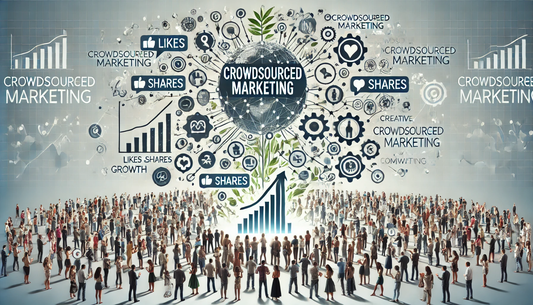
Crowdsourced marketing is a strategy where businesses leverage the collective creativity, ideas, and efforts of a large group of people—often customers or the general public—to promote products or services 💬.
For startups with limited resources, it offers a powerful way to generate buzz 🔥, gain traction, and expand reach without hefty marketing budgets 💰.
Why is crowdsourced marketing ideal for startups? It allows you to tap into the enthusiasm of your audience 🎈, encouraging them to co-create content, share ideas, and spread your message organically 📣.
By harnessing the power of the crowd, startups can achieve significant results without the need for costly campaigns 🚀.
🌟 Top 10 Real-Life Examples of Crowdsourced Marketing Success 💥
- 🧱 LEGO Ideas Platform: LEGO invites fans to submit new set designs, with popular choices turned into real products, boosting engagement and innovation 🎨.
- 🎥 Doritos “Crash the Super Bowl” Campaign: Doritos asked fans to create Super Bowl commercials 📺, resulting in viral videos that gained massive attention 🌐.
- 🎨 Coca-Cola’s “Share a Coke” Campaign: Coca-Cola encouraged customers to share pictures of personalized bottles, driving social media buzz 🌟.
- 👟 Nike’s Custom Shoe Design Challenges: Nike lets fans create their own shoe designs, with the best entries featured on official Nike channels 🎉.
- 📸 GoPro’s User-Generated Content: GoPro fans share adventure videos taken on their cameras, fueling authentic brand promotion 🌄.
- 🎧 Spotify Wrapped Campaign: Spotify users share personalized annual playlists, creating organic engagement and brand awareness 🎶.
- 🍔 Burger King’s “Have it Your Way” Promotion: Burger King involved customers in creating custom orders, generating online engagement 🍟.
- 🍦 Ben & Jerry’s Flavor Suggestions: Ben & Jerry’s invited fans to submit new ice cream flavors, resulting in popular new products 🍨.
- 🌈 M&M’s Color Vote: M&M’s allowed fans to vote on new candy colors, creating excitement and direct audience involvement 🍬.
- 🎤 Lay’s “Do Us a Flavor” Contest: Lay’s asked fans to submit new chip flavors, driving product innovation and brand engagement 🥔.
🔍 How Crowdsourced Marketing Works 💡
Startups can leverage crowdsourced marketing by encouraging their audience to participate in the creation or promotion of content 📲.
This could be through social media challenges, user-generated content (UGC), contests, or collaborative projects where customers share ideas or provide feedback 🗣️.
The key is to make the process simple and fun 🎉. For example, a fashion startup might invite customers to post pictures wearing their products using a specific hashtag 📸.
This not only builds a sense of community 🧑🤝🧑 but also amplifies the brand’s reach as customers become ambassadors for the product 🛍️.
💸 Benefits for Startups 💸
- Lower marketing costs: With customers helping to create content and promote the brand, startups save on traditional marketing expenses 💰.
- Access to a larger audience: Crowdsourcing encourages word-of-mouth marketing 📢, leading to exposure to new audiences through organic sharing 📈.
- Credibility: When people see that a brand’s customers are actively participating and promoting the products, it lends authenticity and trust to the startup’s message 🤝.
- Engagement: Crowdsourcing creates a two-way relationship, allowing customers to feel involved and invested in the brand’s success 🌟.
⚠️ Challenges and How to Overcome Them ⚠️
Like any strategy, crowdsourced marketing comes with its challenges 🚧:
- Brand alignment: It’s crucial to ensure that the content created by the crowd aligns with your brand’s values and image 🌐. To overcome this, provide clear guidelines and examples of what you expect from participants 📑.
- Competition for attention: With many brands using similar strategies, standing out can be tough 👀. To position your startup effectively, focus on a niche audience or create a unique angle that resonates emotionally with your crowd ❤️.
📚 Real-Life Examples or Case Studies 📚
Many successful companies have tapped into crowdsourced marketing to grow 🚀. For instance, LEGO encourages fans to submit designs for new sets through its LEGO Ideas platform 🧱, and the most popular submissions are turned into real products 🎉.
This approach not only fuels product innovation but also builds a community of dedicated brand advocates 🌈.
Similarly, Doritos famously invited fans to create Super Bowl commercials 📺, resulting in viral hits that garnered millions of views and immense engagement 🔥.
📝 Step-by-Step Guide to Implementing Crowdsourced Marketing 📑
- Identify your objective: Decide what you want to achieve—whether it's increasing brand awareness, driving sales, or creating engaging content 🎯.
- Choose the right platform: Select the best platform where your audience is most active. Social media, forums, and even your own website can serve as excellent venues for crowdsourcing efforts 🌐.
- Set clear guidelines: Provide participants with instructions and examples so that the content they create aligns with your brand's voice and values 📜.
- Engage and reward participants: Encourage ongoing participation by offering incentives like discounts, recognition 🏆, or rewards for the best content 🎁.
- Amplify and share: Once the crowd creates content, share it widely across your channels 📢, and encourage further sharing from your audience 👥.
💥 Tips for Maximizing Results 💥
- Build a community first: Engage your audience early on, nurturing a loyal fan base that’s excited to participate 🧑🤝🧑.
- Offer incentives: Motivate your audience by offering exclusive rewards or recognition for their contributions 🎁.
- Encourage sharing: Make it easy for participants to share their content and involve their networks in the campaign 🔄.
- Monitor and adjust: Pay close attention to the content being created and make adjustments as needed to maintain quality and brand alignment 📊.
🔚 Conclusion 🔚
Crowdsourced marketing is a powerful tool for startups looking to grow without the need for large marketing budgets 🏦.
By harnessing the creativity and enthusiasm of your audience 🎨, you can generate authentic content, expand your reach, and build lasting connections with your customers 🌟.
Start small, stay consistent, and watch your brand grow as your crowd becomes your biggest advocates 🎉.